Aráinia Mountains: Difference between revisions
m Text replacement - "Sidami" to "Barugoar" |
No edit summary |
||
| (4 intermediate revisions by the same user not shown) | |||
| Line 9: | Line 9: | ||
}} | }} | ||
{{Mountain Ranges of Méniail Sections | {{Mountain Ranges of Méniail Sections | ||
|Introduction=The '''Aráinia Mountains''' | |Introduction=The '''Aráinia Mountains''' are a teardrop-shaped mountain range that encloses the valley of [[Aráinia]], separating its fertile interior from the highlands and savannas of [[Khamria]]. The range forms a nearly continuous ring of peaks broken by only a few passes, which has allowed the valley to develop as a largely self-contained environment. It is home to the [[Barugoar]] and [[Gehasha]], and holds a central place in their religious traditions. | ||
|Etymology= | |Etymology=According to [[Barugoar]] tradition, the range takes its teardrop shape from the tears of [[Yairan]], the Primordial Spirit of Earth, who wept over the fate of the earth during the [[Great Erosion]]. Where the tears fell, the land sank into a sheltered basin, and the surrounding stone rose to protect it. The valley is accordingly regarded as a sacred gift: a place set apart where the land could heal and flourish. | ||
|Geography=The Aráinia Mountains | |Geography=The Aráinia Mountains form an enclosing arc around the valley of Aráinia, narrowing at one end to give the range its characteristic teardrop outline. The outer slopes descend toward the highlands of Khamria, while the inner slopes fall more steeply to the valley floor. The range is crossed by only a small number of passes, and these have historically served as the principal routes between Aráinia and the surrounding lands. | ||
The valley enclosed by the range is drained by streams that descend from the inner slopes and collect on the valley floor. The combination of shelter from the surrounding peaks and a steady water supply has produced a self-contained ecosystem markedly different from the drier lands beyond. | |||
|Geology=The Aráinia Mountains are composed largely of ancient, weathered stone, and are generally considered among the older ranges of [[Khamria]]. The inner valley is believed to have formed through the gradual subsidence and erosion of the land at the center of the range, leaving a ring of more resistant rock standing around it. Barugoar tradition associates this process with the Great Erosion, when forces from outside [[Dalel]] first acted upon the primordial earth. | |||
| | |Climate=The Aráinia Mountains exhibit two distinct climates. The high elevations are arid and cold, exposed to strong winds and supporting little vegetation. The valley of Aráinia, by contrast, is sheltered by the surrounding peaks and enjoys a mild climate with temperate seasons and steady rainfall, which together support the valley's fertile soils. | ||
|Settlements=The range supports two distinct peoples living at different elevations. The [[Barugoar]] inhabit the valley of Aráinia, where they farm the fertile lowlands. The [[Gehasha]], a harpy-like people, live in settlements built higher in the range, above the valley floor. The valley was once also home to the [[Namuril]], who are believed to have disappeared after the [[Great Erosion]]; some accounts hold that they left the valley, while others say they turned to stone. Fortifications guard the principal passes, controlling movement into and out of the valley. | |||
|Economy=The economy of the Aráinia Mountains centers on the agriculture of the valley floor, which benefits from fertile soil and reliable rainfall. The Yairanh root is the staple crop of the valley, while the fruit of the Velthar vine, valued for its healing properties, is among its most prized products. The mountain passes allow limited trade with Khamria, though the valley's isolation has historically kept such exchange modest. | |||
| | |Cultural Significance=The range is regarded by the Barugoar as a physical expression of Yairan's grief and protection, and the valley it encloses as a sanctuary entrusted to its inhabitants. Aráinia is associated with several Ascendant Spirits, among them [[Dásravai]], the spirit of valleys, and [[Misay]], the spirit of self-reflection, and the range is often understood as the boundary of their influence. The mountains also serve as a symbol of separation, marking Aráinia as distinct from the wider world. | ||
|Exploration=Because of the few passes through the range, outside knowledge of the Aráinia Mountains was long limited. [[Arânzeni]] scholars of [[Khamria]] have recorded the range and its passes, although detailed accounts of the valley interior remain comparatively rare. | |||
* | |Representation in Media=The range appears in Barugoar art and oral tradition, most often in connection with the myth of Yairan's tears. It is also depicted in paintings made from within the valley, which typically show the peaks rising around the valley floor. | ||
|See Also=* [[Aráinia]] | |||
* [[Barugoar]] | |||
* [[Gehasha]] | |||
* [[Namuril]] | |||
* [[Khamria]] | |||
* [[Yairan]] | |||
* [[Great Erosion]] | |||
}} | }} | ||
Latest revision as of 16:46, 1 October 2026
| Aráinia Mountains | |
|---|---|
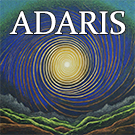
| Image |  Painting of the Aráinia Mountains from Aráinia |
| Location |  Aráinia Mountains in red |
| Region(s) | Aráinia |
| Climate | Arid at high elevations, temperate in the valley |
Introduction
The Aráinia Mountains are a teardrop-shaped mountain range that encloses the valley of Aráinia, separating its fertile interior from the highlands and savannas of Khamria. The range forms a nearly continuous ring of peaks broken by only a few passes, which has allowed the valley to develop as a largely self-contained environment. It is home to the Barugoar and Gehasha, and holds a central place in their religious traditions.
Etymology
According to Barugoar tradition, the range takes its teardrop shape from the tears of Yairan, the Primordial Spirit of Earth, who wept over the fate of the earth during the Great Erosion. Where the tears fell, the land sank into a sheltered basin, and the surrounding stone rose to protect it. The valley is accordingly regarded as a sacred gift: a place set apart where the land could heal and flourish.
Geography
The Aráinia Mountains form an enclosing arc around the valley of Aráinia, narrowing at one end to give the range its characteristic teardrop outline. The outer slopes descend toward the highlands of Khamria, while the inner slopes fall more steeply to the valley floor. The range is crossed by only a small number of passes, and these have historically served as the principal routes between Aráinia and the surrounding lands.
The valley enclosed by the range is drained by streams that descend from the inner slopes and collect on the valley floor. The combination of shelter from the surrounding peaks and a steady water supply has produced a self-contained ecosystem markedly different from the drier lands beyond.
Geology
The Aráinia Mountains are composed largely of ancient, weathered stone, and are generally considered among the older ranges of Khamria. The inner valley is believed to have formed through the gradual subsidence and erosion of the land at the center of the range, leaving a ring of more resistant rock standing around it. Barugoar tradition associates this process with the Great Erosion, when forces from outside Dalel first acted upon the primordial earth.
Climate
The Aráinia Mountains exhibit two distinct climates. The high elevations are arid and cold, exposed to strong winds and supporting little vegetation. The valley of Aráinia, by contrast, is sheltered by the surrounding peaks and enjoys a mild climate with temperate seasons and steady rainfall, which together support the valley's fertile soils.
Settlements
The range supports two distinct peoples living at different elevations. The Barugoar inhabit the valley of Aráinia, where they farm the fertile lowlands. The Gehasha, a harpy-like people, live in settlements built higher in the range, above the valley floor. The valley was once also home to the Namuril, who are believed to have disappeared after the Great Erosion; some accounts hold that they left the valley, while others say they turned to stone. Fortifications guard the principal passes, controlling movement into and out of the valley.
Economy
The economy of the Aráinia Mountains centers on the agriculture of the valley floor, which benefits from fertile soil and reliable rainfall. The Yairanh root is the staple crop of the valley, while the fruit of the Velthar vine, valued for its healing properties, is among its most prized products. The mountain passes allow limited trade with Khamria, though the valley's isolation has historically kept such exchange modest.
Cultural Significance
The range is regarded by the Barugoar as a physical expression of Yairan's grief and protection, and the valley it encloses as a sanctuary entrusted to its inhabitants. Aráinia is associated with several Ascendant Spirits, among them Dásravai, the spirit of valleys, and Misay, the spirit of self-reflection, and the range is often understood as the boundary of their influence. The mountains also serve as a symbol of separation, marking Aráinia as distinct from the wider world.
Exploration
Because of the few passes through the range, outside knowledge of the Aráinia Mountains was long limited. Arânzeni scholars of Khamria have recorded the range and its passes, although detailed accounts of the valley interior remain comparatively rare.
Representation in Media
The range appears in Barugoar art and oral tradition, most often in connection with the myth of Yairan's tears. It is also depicted in paintings made from within the valley, which typically show the peaks rising around the valley floor.
See Also