Barugoar
| Barugoar | |
|---|---|
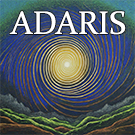
| Image |  Painting of a Barugoar woman |
| Plural | Barugoar |
| Classification | Human |
| Homeland | Aráinia |
| Average Height | 5 ft 5 in – 5 ft 9 in (165–175 cm) |
| Average Lifespan | 60–70 years |
| Distinction | Founders of the Aráinian Republic |
| Language | Barugoar |
| Factions | Aráinian Republic |
Introduction
The Barugoar are a human people of Aráinia, in the north of Méniail. They descend from the settlers of a few ships that left the armada bound for Gosterra during the Great Migration and landed at Ecais Bay around 20 ME. They spread up the river valleys, where they formed principalities, united as the Aráinian Empire around 580 ME, and in 702 ME founded the Aráinian Republic, which governs Aráinia today. They number about 3,550,000 and speak Barugoar. Most follow Yeparchism, and the Path of Misay is the path of Osia most closely associated with them.
Etymology
Barugoar means "those within" in Barugoar, from the older form barucoar. The name refers to the ring of the Aráinia Mountains, within which the first settlers made their home.
Origin and Nature
The Barugoar share the common ancestry of all humans, descending from the Yendea of Haberria, who came to Dalel in the Great Migration. Their ancestors sailed with the armada bound for Gosterra, but a few of its ships left the fleet on the northern coast of Méniail and settled in Aráinia, apart from the rest. They became a distinct people there.
History
Landing
Around 20 ME, ships of the armada bound for Gosterra passed Ecais Bay as they sailed west along the northern coast of Méniail. Some aboard wanted to land at once. The bay is large, and no good landing could be seen from the fleet, so a few ships turned in to investigate while the rest sailed on westward. Those ships stayed. Their settlers, about 5,000 people, founded Atinigur, the first Barugoar settlement, on the shore of the bay.
Contact with Gosterra
The Gostaldi sent ships east along the coast in search of the missing vessels and found the settlers at Ecais Bay around 30 ME. Contact between the two peoples has been maintained by sea ever since.
The principalities
From the bay the Barugoar spread up the river valleys. As farmers moved into the foothill pastures, they came into conflict with the Gehasha, and there were clashes in the 100s and 200s ME. These ended in agreements that left the high ranges to the Gehasha. The settlers kept the Tefar faith; after it divided in the 200s ME, they followed Yeparchism through their ties with Gosterra.
By the 400s ME four principalities had grown up in the valleys, each ruled by a princely family: Sènd, which included the coast of Ecais Bay; Alsie, which included Menivia; Insaurd, which included Costidia; and Ursivèr. The Oimind Range was thinly settled. The islands governed themselves. Silver was mined in the foothills of the Aráinia Mountains from the 500s ME.
Aráinian Empire
Sènd was the most populous of the principalities, and as its power grew it sought to expand. Between about 560 and 566 ME it fought a war with Alsie and won. Alsie, Insaurd and Ursivèr then allied against Sènd and were defeated around 580 ME. Their princes kept their lands under the prince of Sènd, who took the title of emperor, and the four principalities became the Aráinian Empire, with its capital at Ilivul on Lake Islhia.
In the 600s ME wars broke out on both sides of Aráinia. To the east the Orinilure Collective and the Erden Monopoly fought each other from 626 to 633 ME. To the west the War of the Southern Duchies divided the Kingdom of Bóinbile from 640 to 645 ME. With firearms and artillery in use, the mountains could no longer be relied on for protection, and the cost of defense weighed on the Empire. Around 650 ME an uprising brought it down. The imperial family gave up the throne, its lands passed to the state of Sènd, and the former principalities governed themselves under a loose union, which the islands joined.
Aráinian Republic
The union proved too weak to provide a common defense. In 702 ME the states adopted a single constitution and founded the Aráinian Republic, with its capital at Ilivul. The Gehasha became citizens of the Republic.
Modern period
Railways were built from the 840s ME. In the 850s ME gold was found in the foothills of the Aráinia Mountains, and the rush that followed brought rapid growth to the southern valleys. Prospectors pushed into Gehasha lands, and the clashes that followed were minor. The federal government set limits on mining there. Disputes over mining between the Barugoar and the Gehasha continue, now mostly in politics.
Biology and Physical Traits
The Barugoar have olive to light-brown skin, dark hair and dark eyes. Men are usually 5 ft 7 in – 5 ft 9 in (170–175 cm) tall and women 5 ft 5 in – 5 ft 7 in (165–170 cm). Their lifespan is about 60–70 years.
Abilities and Osia
The Barugoar have no innate attunement to Osia and must train to use it. The path most closely associated with them is the Path of Misay, taught at the House of Misay on Lake Islhia beside Ilivul; the emperors of the Aráinian Empire kept advisers who were disciples of it. On the islands the Path of Ivvapudda is followed, taught at the House of Ivvapudda on I. Lurmutur. The Path of Dásravai is taught chiefly to the Gehasha, and few Barugoar follow it. The Barugoar have no cultural tradition of following the Primordial paths, though individual Barugoar study them. Osiari are not regulated by the Republic or the states.
Culture and Society
Barugoar have a given name and a family name. Given names are words with meanings in Barugoar; family names are taken from places.
Houses in the valleys are often built around walled gardens and orchards. Poetry is popular, and miniature painting is a well-known art. Women often wear head-wraps, as a matter of style rather than custom.
Notable Settlements
- Ilivul, capital of the Aráinian Republic and the former capital of the Aráinian Empire
- Bigulus
- Iveond
- Atinigur, the site of the first landing
- Lacuers
Spirituality and Beliefs
Most Barugoar follow Yeparchism, and Uisla has a sizeable following. Neither the Aráinian Empire nor the Republic has had a state religion.
Misay is respected and consulted through the disciples of its path, but is not worshiped by most Barugoar; a small cult of Misay is centered near Ilivul. On the islands Ivvapudda is honored through household customs at the hearth, without formal worship.
Technology and Warfare
The Barugoar use railways, the telegraph and photography, and steam power drives their mines and timber mills. The principalities and the Aráinian Empire fought their wars with firearms and artillery from the 600s ME. The Aráinian Republic has fought no war; it keeps a small federal army and a navy based at Onsiol, and each state maintains its own militia.
Relations with Other Races
- Gehasha: fellow citizens of the Republic. After clashes in the 100s and 200s ME, agreements left the high ranges to the Gehasha. Since the gold rush of the 850s ME, mining in their lands has been a continuing political dispute.
- Gostaldi: in contact by sea since about 30 ME, when Gostaldi ships searching for the missing vessels found the settlers. The Republic trades with both Gostaldi states. The Heialdyn Stratocracy regards it warily, since Heialdyn republicans look to it as an example.
- Zapaha: the Yeege Kingdom keeps envoys in Ilivul.
- Tuzquão: trade by sea with the League of Balúrail.
- Oinien: little contact across the eastern mountains.
- Arânzeni and Mundari: little contact across the southern ranges.
See Also