
Flora and Fauna of Payalwa: Difference between revisions
No edit summary |
No edit summary |
||
| Line 22: | Line 22: | ||
</gallery> | </gallery> | ||
|Fauna= | |Fauna= | ||
<gallery> | |||
Image:Panten_Etching.jpg|[[Panten|Pantens]] <br /> Large mammals creates with wide hooves that can easily cross marshy peat. | |||
[[ | Image:Jacas 01.jpg|[[Jaca|Jacas]] <br /> Reptilian swamp dwellers. | ||
[[ | Image:Xipho 01.jpg|[[Xipho|Xiphos]] <br /> Deer like mammal that lives throughout Payalwa. | ||
[[ | Image:Myriopa_Drawing.jpg|[[Myriopa|Myriopas]] <br /> Huge winged insects. | ||
[[Hesper|Hesperon]] | Image:Hesper Drawing 01.jpg|[[Hesper|Hesperon]] <br /> Water birder native to the swamps of Payalwa. | ||
</gallery> | |||
}} | }} | ||
[[category:Payalwa]] | [[category:Payalwa]] | ||
Revision as of 14:39, 6 May 2026
Introduction
Payalwa’s landscape supports a distinctive range of flora and fauna adapted to its temperate marshy lowland conditions. This page lists some of the more unique creatures and plants native to Payalwa.
Flora
-
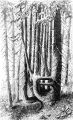 Allia Tree
A common fir tree found in the Eastern Highlands. -
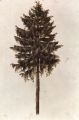 Avoredo Tree
The most common tree in the Western Lowlands in Payalwa. -
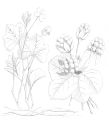 Bagava Fruit
A fruit found on alpine slopes in the Eastern Highlands. -
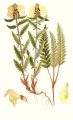 Brumerva Fern
A pale marsh fern whose leaves are often used in teas and poultices. -
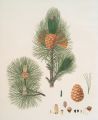 Payalwan Pine
The most common tree in the Eastern Highlands. -
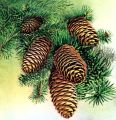 Payalwan Spruce
A common tree found in the Eastern Highlands. -
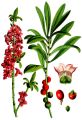 Velharrama Bush
A shrub that is known for it's bright red berries. -
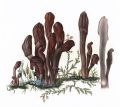 Velhudo Fungus
A mash fungus tied to folktales about silent monks wandering the swampy landscape.


Fauna
-
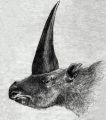 Pantens
Large mammals creates with wide hooves that can easily cross marshy peat. -
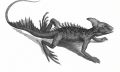 Jacas
Jacas
Reptilian swamp dwellers. -
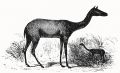 Xiphos
Deer like mammal that lives throughout Payalwa. -
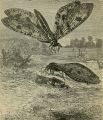 Myriopas
Huge winged insects. -
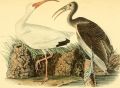 Hesperon
Water birder native to the swamps of Payalwa.


